In a world where it’s easy to sound like everyone else, it takes a different kind of effort to sound like yourself. Not louder. Not slicker. Just truer.
Voicecraft was born from that effort — from trying to put language around something slippery: the way a sentence carries intent, the way a tone can feel like home, the way a persona begins to shape the room they speak in.
This isn’t branding. It’s not about performance.
It’s about feeling the rhythm of your own thinking and learning how to share it with clarity.
When you pause and pay attention, you might start noticing the voices already living in your creative life — even the ones you didn’t mean to build.
Over time, I found myself shaping voice after voice. Some were quiet guides. Some were sharp critics. Some were curious children or synthetic skeptics.
Each one opened a different door. They gave me room to explore how I think, how I teach, how I notice and feel.
And once I understood how they worked, I could use them — not just for storytelling, but for reflecting, collaborating, even prototyping ideas with AI.
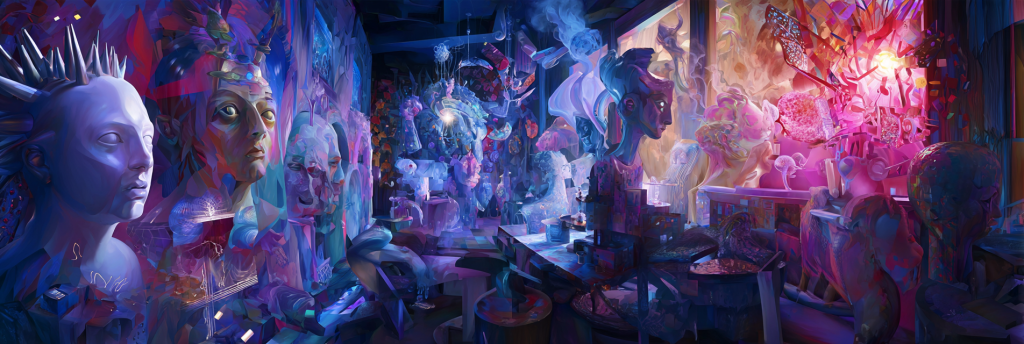
Voicecraft exists because a single voice isn’t always enough. Sometimes we need a whole gallery to express the fullness of what we know, question, and imagine.
Oh.
That’s me, right there in that line.
If you’ve downloaded the workbook — thank you. If you’re just exploring — welcome. The door’s open. Your voice is waiting.