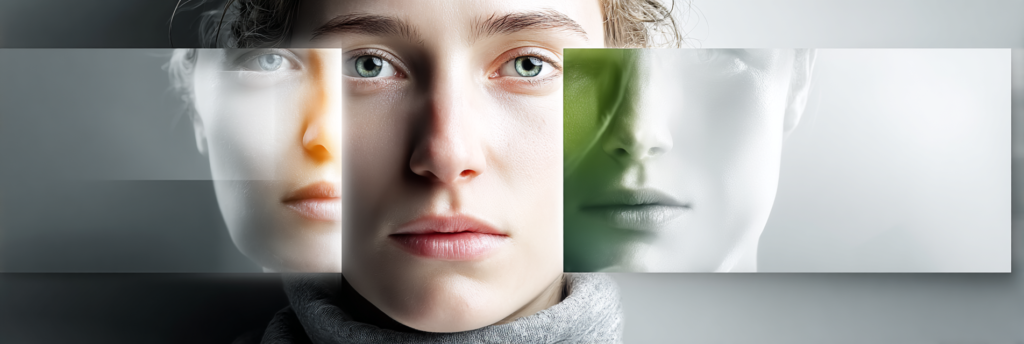
For a long time, Voicecraft was something I built around other voices. It was a framework to train consistency, tone, rhythm, to help AI personas sound like someone real. But somewhere in that process, I started hearing echoes of myself.
At first, I ignored it. After all, this was supposed to be a tool for creative collaboration, not self-discovery. But the more I worked with crafted voices, the more I noticed the quiet pattern underneath: the method I had written for machines was beginning to train me back.
Voicecraft asks questions that don’t stay on the page. What do you sound like when you’re honest? What words do you reach for when no one’s watching? Where does rhythm become emotion? These aren’t technical prompts; they’re mirrors. And lately, I’ve stopped flinching when I look.
Somewhere between designing constraints and shaping tone, I found something more durable than style: a voice that feels deliberate, grounded, my own. It doesn’t need performance or polish. It just needs space to exist.
So maybe the framework was never only about AI. Maybe it was always about finding a language that can hold both structure and truth, whether it belongs to a person, a project, or something in between.
Next week, I’ll write about what it means to use Voicecraft not as a creative tool, but as a personal one. Because once the framework turns inward, the work changes. And so do you.