
Voicecraft Prompt Clinic: Perspective Edition
Perspective is the lens that shapes what your crafted voice notices, how close it feels to the subject, and the emotional distance it keeps. Learn how to use it to make your writing more intentional.

Perspective is the lens that shapes what your crafted voice notices, how close it feels to the subject, and the emotional distance it keeps. Learn how to use it to make your writing more intentional.

Your “natural” writing voice isn’t a buried truth waiting to be found — it’s a construct shaped by habit, influence, and intent. The Voicecraft method shows how to make those choices visible and deliberate.
We talk about “losing our voice” as if it’s a disappearance.Like one morning we woke up, reached for it, and
Constraints aren’t limitations — they’re how a voice knows what it is. The sharper the boundary, the clearer the identity.
If your voice is clear, someone will copy it. That’s not a threat — it’s proof you’ve made something worth repeating.
The voices we create aren’t just tools — they’re reflections. Sometimes they show us what we hide, what we fear, or what we wish we could say out loud.
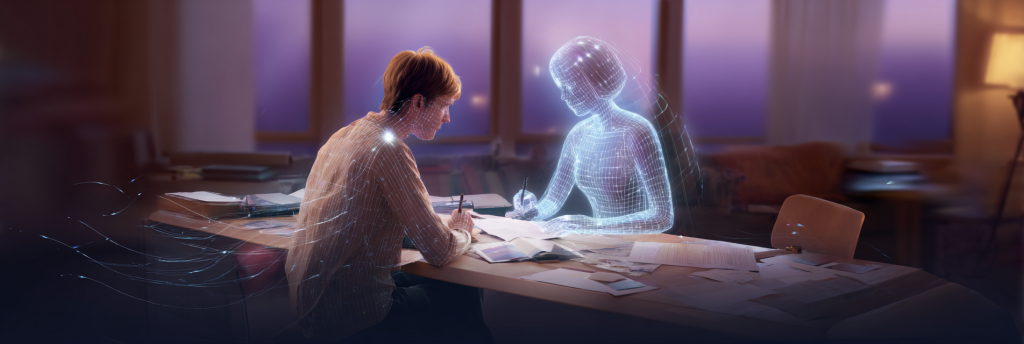
For months I thought the AI was the problem — until I realized what it lacked wasn’t knowledge. It was voice.
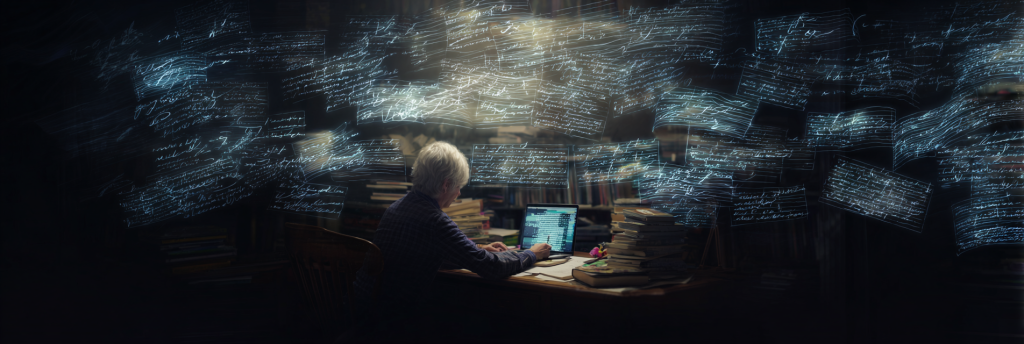
I built Voicecraft because I needed something that could hold up across drafts, formats, and creative tools — including my own personal writing. AI didn’t create the method. It revealed the gap.

Vibes aren’t enough. I built Voicecraft because I needed voices that could carry a project, not just spark a prompt. This post shares why method matters — and what happens when your voice can push back.
What happens when two crafted voices are asked to speak for themselves? In this quiet dialogue, Dot and Sven reflect on their origins, limits, and the voice that hasn’t yet been written. A presence emerges — not just between sentences, but between voices.
This members-only tip offers a quick, generative way to develop a new voice — starting with just one sticky line. Whether you’re writing on paper or working with a chatbot, this method helps uncover tone, tension, and persona from the inside out.
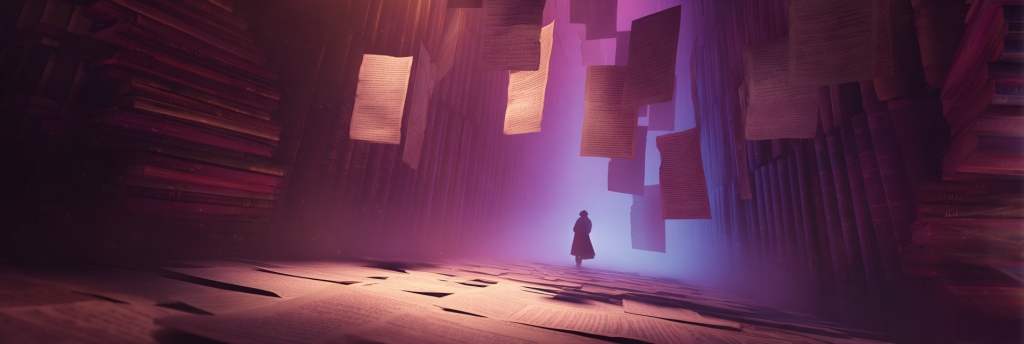
What if your voice wasn’t just one thing — but a whole gallery? This post shares how Voicecraft began, and why building distinct voices can unlock new ways of thinking, teaching, and creating.